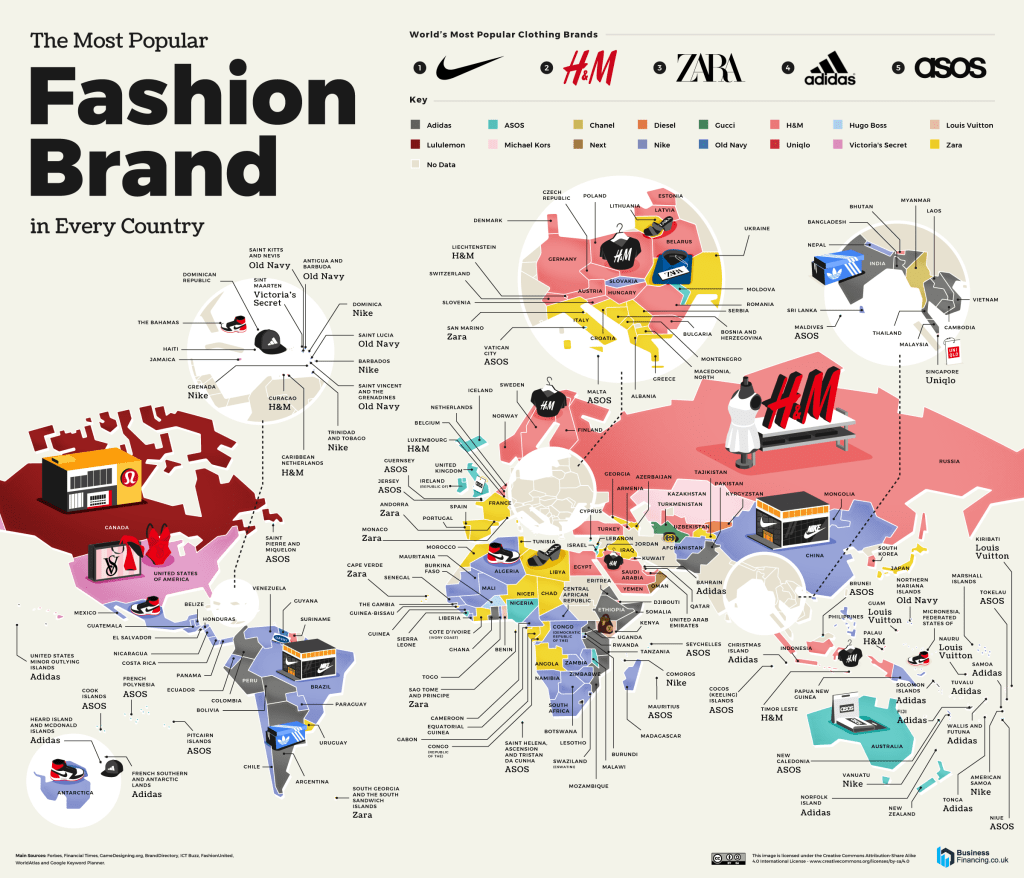
What do all of these popular brands have in common? They run on a fast-fashion agenda. These fast-fashion companies dominate the marketplace because of its incredible business strategies. It prioritizes relationship building and engagement with its publics, which makes these fast-fashion brands well-loved and preferred. Dorothy Neufeld, writes, “Since its founding in 1964, Nike has become a remarkable brand builder. In fact, Nike is the most searched fashion brand among 49 countries.”
Regardless of how reliable a company markets to be, we have to think about what goes on behind the scenes. For instance, Nike does a great job in addressing social issues that empower others. It’s what makes Nike such an iconic sportswear brand. Not to mention athleisure itself capitalizes off a healthy, active lifestyle. Yet, we don’t really consider Nike a fast-fashion brand because of what it stands for. We don’t really think about its long history of using sweatshops to produce its products.
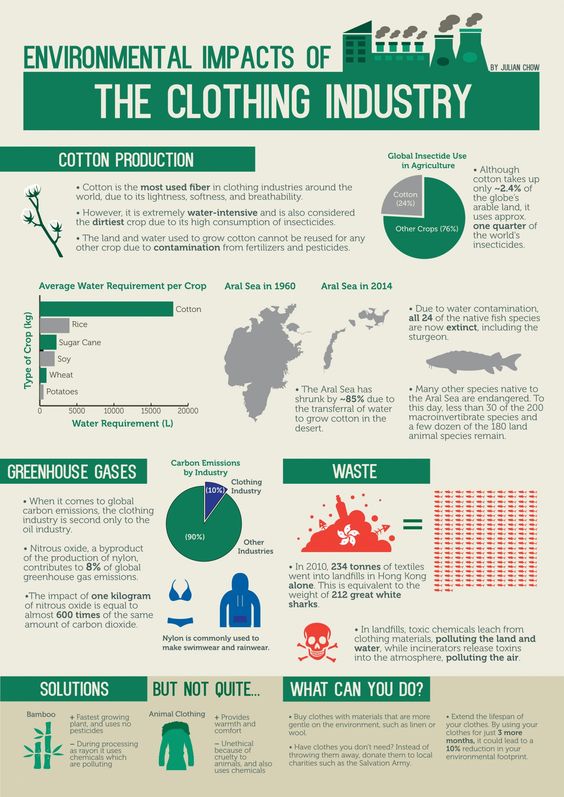
We also don’t think about how environmentally friendly Nike really is. According to Ethical Consumer, it states, “Nike received Ethical Consumer’s worst rating for its cotton sourcing policy, because it lacks a clear approach to use of pesticides and herbicides. Cotton accounts for 12.34% of all insecticide sales and 3.94% of herbicide sales, even though cotton covers only 2.78% of global arable land. Nike used some organic cotton and Better Cotton Initiative (BCI) certified cotton, but this wasn’t 100%. Companies that have the environment in mind should have a clear statement committing to the use of 100% sustainable cotton.”
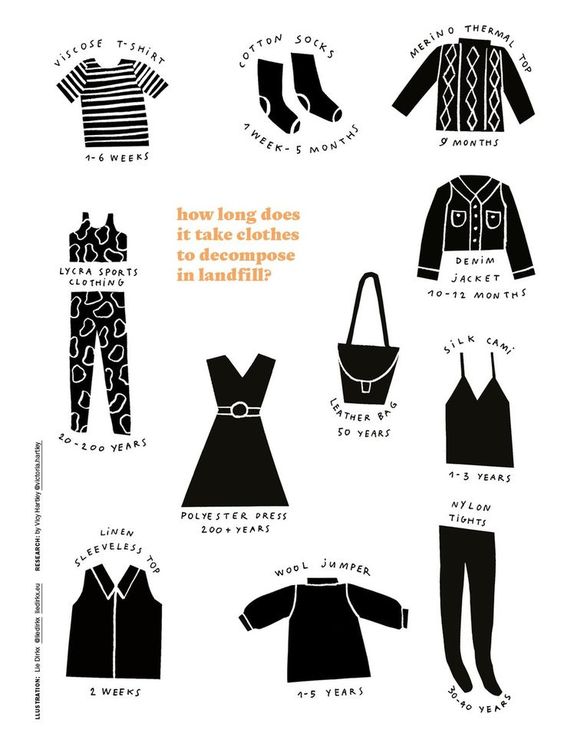
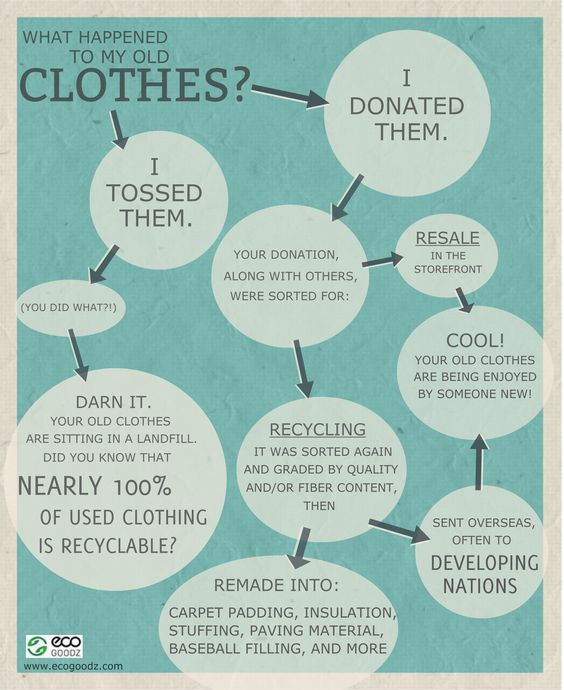
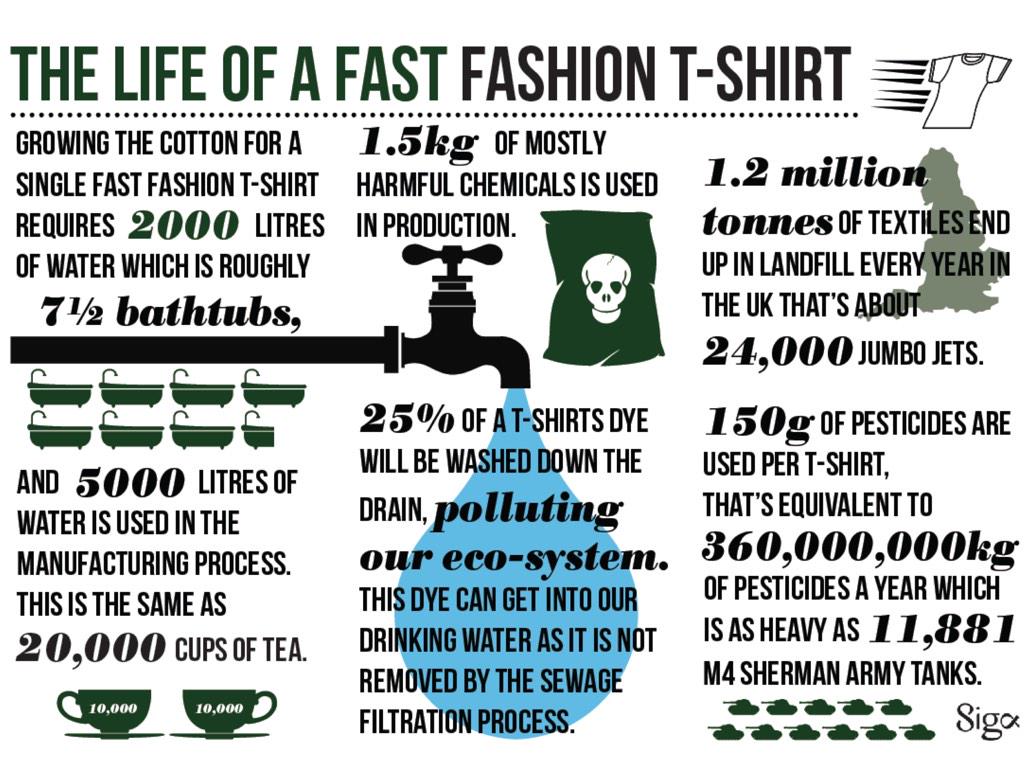
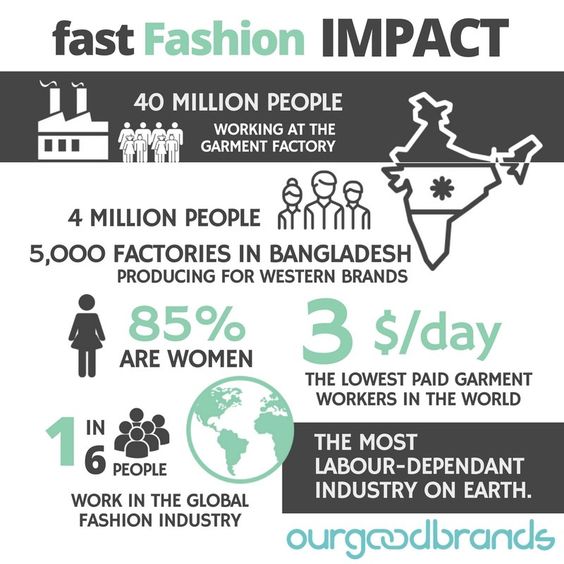
Nike is a perfect example of how a fast-fashion company is able to cover up the ugly side of the fashion. If you scroll down to the end of this blog, there are 5 infographics that illustrate just how damaging the fashion industry is.
Why Infographics?
You probably skimmed over the quote from Ethical Consumer. Although it is super informative, it’s not very pleasing to the eye. Infographics contain clusters of visual content that pertains to the information and data needing to be presented. It provides an overview of the topic that is being discussed and allows viewers to efficiently access information. If you are a visual leaner (like me), infographics gets to the point fast. The fashion industry is complex. The infographic above is to visually represent how popularized fast-fashion is. You most likely retained more information about popular fast-fashion brands than you did from the Ethical Consumer statement. Although 2/3 people are more aware of fashion sustainability than before COVID-19, we have a long way to go in terms of supporting fast-fashion giants. There are so many things that contribute to the fashion industry being the fourth leading pollutant in the world.
Did you know…
- Graphics boost information retainment.
- “32% of marketers say visual images are an essential form of content for their business” (HubSpot).
- “Can improve cognition by utilizing graphics to enhance the human visual system’s ability to see patterns and trends” (Wikipedia).
- Infographics can increase attention and engagement.
- Information can be memorable to a person if an infographic is done right! (Color and size matters)
Easy on the eyes, but contain valuable information!
 Nikoline Porse
Leave a comment